No products in the cart.
Get email updates
Be first to hear about new drops, restocks and members-only offers.

Updated November 18, 2026 · Fact checked against official Pokémon TCG announcements

To find your Pokémon card value, identify the exact card by its set symbol and card number, then compare recent sold prices for that same card in the same condition. TCGplayer market prices, eBay sold listings and PriceCharting are the three quickest places to check.
Condition and grading change the number more than anything else. A clean, centered copy can sell for many times the price of a scuffed one. This guide walks you through the full process, step by step, so you can price a single card or a whole binder with confidence.
Every price you see comes down to supply and demand. A card is worth what a buyer will pay for it today, not what it cost in a pack or what someone hopes to get.
Five things drive that demand. Learn them once and every price check gets easier.
The same Pokémon can appear on dozens of different cards. Before you look up a single price, confirm exactly which card you are holding.
Look at the bottom of the card. You will find the set symbol, the collector number and the rarity symbol in the bottom corners, next to each other.
Holo and reverse holo copies of the same card are priced separately. On a regular holo, only the art box shines. On a reverse holo, the foil covers the card except the art box.
Once you know the exact card, compare prices from at least two sources. Each tool shows the market from a slightly different angle.
| Source | What it shows | Best for | Watch out for |
|---|---|---|---|
| TCGplayer | Market price built from recent sales on its marketplace, plus current listings by condition | Raw modern cards in English | Listed prices are asking prices, not sales |
| eBay (Sold Items filter) | Actual completed sales with photos and dates | Graded cards, vintage cards and rare variants | Filter by Sold Items, not active listings |
| PriceCharting | Price history for ungraded and graded copies | Seeing trends over months | Low sales volume can make some prices jumpy |
| PSA auction prices and population report | Graded sales by grade and how many copies exist at each grade | Deciding if grading is worth it | Covers PSA graded cards only |
| Card scanner apps | Quick price estimate from a photo | Sorting a big pile fast | Always confirm the match and condition yourself |
Look at the last 5 to 10 sales of the same card in the same condition. Ignore the single highest and lowest sale. The middle of that range is a realistic value.
Check the dates as well. Prices move quickly after a new set release, a reprint or a popular tournament deck. A sale from six months ago may no longer reflect today.
Condition is where most people overestimate value. Hold the card under a bright light and check the front, back, edges and corners. Be strict with yourself, because buyers will be.
Most marketplaces, including TCGplayer, use the same five condition levels for raw cards.
| Condition | What it looks like | Effect on price |
|---|---|---|
| Near Mint (NM) | Nearly unplayed. Crisp corners and only a slight flaw or two | Full market price |
| Lightly Played (LP) | Minor edge wear, light scuffs or scratches, no structural damage | Somewhat below Near Mint |
| Moderately Played (MP) | Clear edge and surface wear, possible light bends or creases | Well below Near Mint |
| Heavily Played (HP) | Major wear, creasing and whitening, but still intact | A small fraction of Near Mint |
| Damaged (DMG) | Tears, heavy bends, water or other damage to the card | Usually the lowest price tier |
The back of the card counts too. Whitening along the blue border on the back is one of the most common reasons a card drops from Near Mint to Lightly Played.
A graded card has been checked by a company such as PSA, CGC or Beckett, given a number grade and sealed in a hard plastic case. Buyers pay extra for that certainty.
PSA uses a 1 to 10 scale. The gap between grades can be huge on popular cards, especially between a 9 and a 10.
| PSA grade | Name | What it means |
|---|---|---|
| 10 | Gem Mint | Virtually perfect, sharp corners, sharp focus and strong centering |
| 9 | Mint | Superb card with one very minor flaw |
| 8 | NM-MT (Near Mint to Mint) | Super high end card with slight imperfections |
| 7 | NM (Near Mint) | Slight surface wear or minor corner fraying visible on close look |
| 6 to 5 | EX-MT and EX | Visible wear, but the card still presents well |
| 4 to 1 | VG-EX down to Poor | Heavy wear, creases or major defects |
When you check a graded card, always compare the same grade from the same company. A PSA 10 price tells you nothing about a PSA 8, and CGC and PSA copies at the same number often sell at different prices.
If you have cards from the original Wizards of the Coast era, small print details can change the value dramatically.
English 1st Edition cards were printed from Base Set up to and including Neo Destiny. They carry a small black “Edition 1” stamp, usually on the left side just below the art box.
Newer cards can be worth real money too. Special illustration rares, gold secret rares and anniversary reprints of classic cards are popular with collectors.
These single cards are in stock now and show the kind of cards collectors price check most often.


The Base Set Charizard artwork collectors love, as a Celebrations Classic Collection card. A great centerpiece for a binder or a gift for a longtime fan.
$140.99
Browse every single card we carry in our single cards collection.
Once you know the value, decide what to do with the card. A simple rule of thumb works for most collectors.
A card loses value the moment it gets a scratch or a bent corner. Protection costs very little compared with the value it saves.
Put every card worth more than a few dollars into a penny sleeve or a deck sleeve straight from the pack. Store binders upright, away from sunlight and humidity.


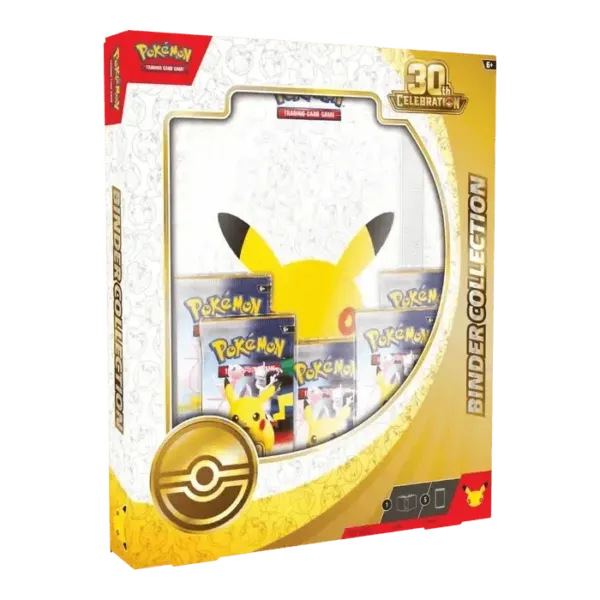
See more options in our card sleeves and binders collections.
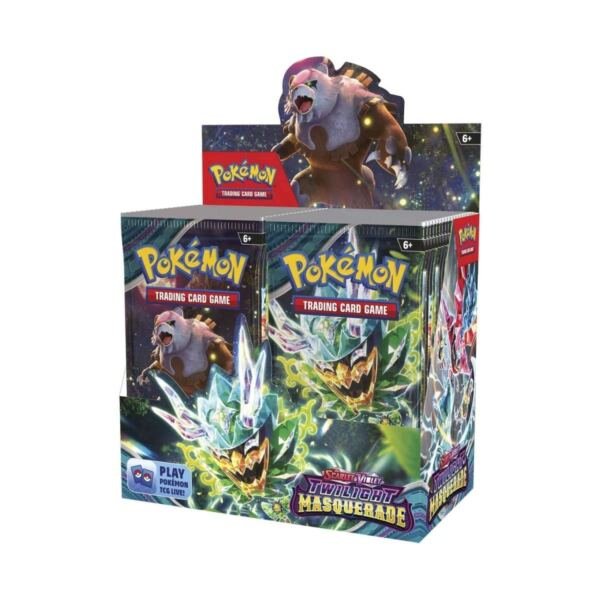
Sealed booster boxes and Elite Trainer Boxes have their own market. Once a set goes out of print, sealed product often becomes harder to find, and collectors who want to open packs from that set compete for what is left.
If you are deciding what to buy, our guide to booster boxes vs Elite Trainer Boxes explains the difference, and how many packs are in a Pokémon booster box covers the counts.


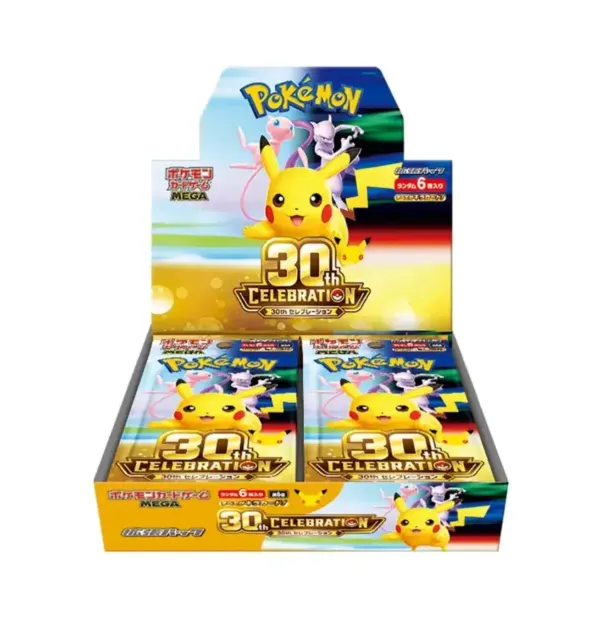
Packs from the 30th Celebration set, in the Overseas Edition. A fun box to open for anniversary chase cards. Read our 30th anniversary set guide for every product in the line.
$174.99
Buying more than one? Quantity savings apply automatically in the cart: buy 2 and save 3%, 3 save 5%, 5 save 8% and 10 save 12%. Browse all booster boxes.
Identify the card by its name, set symbol and number. Then compare TCGplayer market prices, eBay sold listings and PriceCharting for the same card in the same condition. All three are free to browse.
It is a price based on recent completed sales on the TCGplayer marketplace. It is a good guide for raw English cards, but always check the condition it refers to.
Some are. 1st Edition and Shadowless holo cards from the original sets can be valuable, especially in great condition. Many common and uncommon cards from the same era sell for very little.
Grading makes sense for valuable cards in excellent condition, where a high grade is realistic and the price gap between raw and graded copies is bigger than the grading fee.
Condition, grading, foil type, stamps and language all change the price. Make sure you compare the exact same version.
They are useful for sorting a large collection quickly. Always confirm the app matched the right card and version, and adjust for the real condition.
Every product we sell is factory sealed or a genuine single card, shipped from the US with tracking. Find your next chase card today.
Want to learn the game itself? The Pokémon TCG site has free rules and learning resources.
Booster Box Depot is an independent retailer and is not affiliated with Nintendo, Creatures, GAME FREAK or The Pokémon Company. Prices shown were correct when this guide was published and may change.
Be first to hear about new drops, restocks and members-only offers.